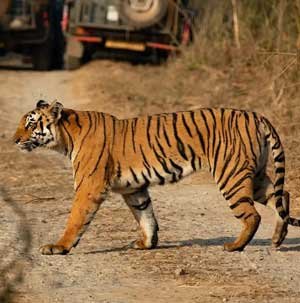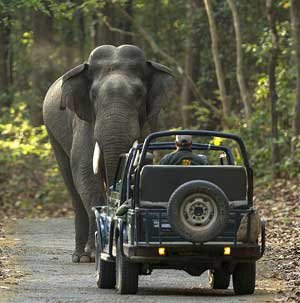
Corbett National Park, located in the state of Uttarakhand, India, is one of the most famous national parks in the country. Known for its diverse Monitoring & Research, as well as its conservation initiatives, Corbett plays a significant role in wildlife research, habitat preservation, and species monitoring. The park's efforts towards monitoring and research contribute to its sustainable management and the protection of endangered species like the Bengal tiger.
Key Aspects of Monitoring & Research in Corbett
Bengal Tiger Population Monitoring
Tiger Monitoring Programs : As Corbett is home to one of the largest populations of Bengal tigers, monitoring their population is a primary research goal. The park uses a combination of camera traps, pugmark tracking, and field surveys to estimate the number and health of tigers in the region.
Pugmark Method : Traditional pugmark methods are employed to monitor tiger movements and identify individuals based on their paw prints.
Camera Traps : Modern camera trap technology is used to capture images of tigers in their natural habitats, which helps researchers track their behavior, territory, and population dynamics.
Biodiversity and Ecosystem Research
Monitoring & Research Studies : Corbett’s ecosystems, including grasslands, forests, and wetlands, are studied to understand the interdependence of species. Researchers focus on understanding how different species interact with their environments and with each other.
Vegetation Monitoring : The park's vegetation is surveyed regularly to track any changes, particularly in relation to climate change and human activity. This helps in understanding the impact of these factors on the wildlife and ecosystem.
Water Bodies and Aquatic Life : Regular monitoring of rivers, streams, and lakes within the park helps in studying aquatic life, water quality, and the influence of water bodies on species like fish, crocodiles, and amphibians.
Wildlife Habitat Mapping
Habitat Assessment : The park uses advanced mapping techniques such as GIS (Geographic Information Systems) to create detailed maps of habitats within Corbett. This includes mapping vegetation types, water sources, and wildlife corridors.
Habitat Restoration : Monitoring helps identify areas that are degraded or threatened by human activities like poaching, illegal logging, or encroachment. Restoration efforts are then put into place to maintain healthy wildlife corridors.
Human-Wildlife Conflict Research
Conflict Prevention : One of the challenges in Corbett is human-wildlife conflict, particularly with elephants and tigers. Research teams focus on identifying areas where these conflicts are most likely to occur and work on mitigation strategies, such as constructing barriers or creating buffer zones.
Community Engagement : Monitoring human-wildlife conflict also includes outreach and collaboration with local communities. Researchers work closely with the people living near the park to implement practices that reduce the likelihood of conflict, such as using traditional knowledge to prevent crop raiding by elephants.
Elephant and Other Species Research
Elephant Monitoring : Corbett is also home to a significant population of wild elephants. Researchers track elephant herds, their migratory patterns, and their impact on the environment. Studies focus on the social structure of elephant herds, their seasonal movements, and the relationship between elephants and their ecosystems.
Other Species : The park is home to numerous other species, including leopards, crocodiles, various bird species, and rare animals like the Indian rhinoceros. Research efforts aim to monitor the populations and behaviors of these species to ensure their conservation.
Genetic Research
Conservation Genetics : To preserve biodiversity, researchers in Corbett study the genetic makeup of species like tigers and elephants. Genetic monitoring helps in understanding the health of populations and identifying any inbreeding risks or genetic bottlenecks that could threaten the long-term survival of species.
Anti-Poaching and Conservation Efforts
Anti-Poaching Surveillance : Corbett has established a robust monitoring system to combat poaching. Rangers are equipped with technology like GPS and walkie-talkies to patrol the park. Camera traps and drones are also used to monitor anti-poaching efforts.
Poaching Data Analysis : Data from poaching incidents, including the type of animals targeted and the methods used, are analyzed to improve protection strategies.
Climate Change Monitoring
Impact of Climate Change : Researchers are monitoring the effects of climate change on the park's biodiversity. Studies focus on the shifting patterns of animal migration, changes in vegetation, and the availability of water sources.
Forest Fires : Corbett is prone to forest fires, which can be exacerbated by climate change. Monitoring fire-prone areas helps in taking preventive measures and reducing the impact on both Monitoring & Research.
Visitor Impact Research
Tourism Management : As a popular tourist destination, Corbett sees a high influx of visitors. Research is done to assess the impact of tourism on wildlife and the environment. Strategies for eco-tourism and sustainable practices are continuously developed based on this research.
Visitor Awareness : Monitoring the behavior of tourists helps in developing awareness programs to educate them on responsible wildlife viewing and minimizing disturbances to wildlife.
Collaborations with Research Institutions
Partnerships with Universities and NGOs : Corbett National Park often collaborates with national and international universities, research institutions, and NGOs working in wildlife conservation. These collaborations bring in expertise, funding, and technical support for monitoring and research projects.
Long-term Studies : The park has several ongoing long-term research projects on wildlife populations, ecosystem changes, and conservation strategies.