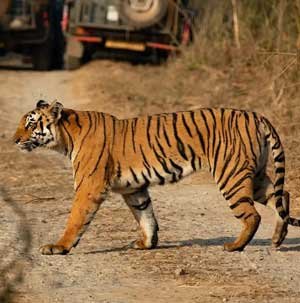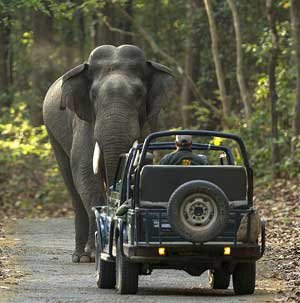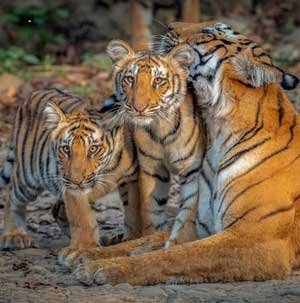
Jim Corbett National Park, located in the Nainital district of Uttarakhand, India, is India’s first national park (established in 1936) and part of the larger Corbett Tiger Reserve. It is famous for its Bengal tigers, rich biodiversity, scenic landscapes, and wildlife safaris. The park is divided into several zones, including Bijrani, Dhikala, Jhirna, Dhela, and Durga Devi.
Choosing the right time to visit is crucial to maximize wildlife sightings and enjoy pleasant weather.
October to February (Best Time)
Weather : Cool and pleasant, temperatures range from 15°C to 25°C during the day; nights can be chilly (as low as 5°C).
Advantages
- Most popular time for safaris because animals are easier to spot due to less dense vegetation.
- Rivers and waterholes have reduced water levels, attracting animals for drinking.
- Comfortable weather for exploring the park and nearby hill stations.
Things to Know
- Book accommodations and safaris in advance as this is peak season.
- Early morning and evening safaris are recommended for maximum wildlife sightings.
March to June (Summer Season)
Weather : Warm, with temperatures ranging between 20°C and 40°C.
Advantages
- Summer is also good for wildlife sightings as animals gather near water sources.
- Less crowded than peak winter season.
Things to Know
- Afternoon temperatures can be very high; morning safaris are more comfortable.
- Carry water, sun protection, and light clothing.
- July to September (Monsoon Season)
- Weather : Heavy rainfall; temperatures 25°C to 35°C.
Advantages
- The park becomes lush and green, ideal for photography and nature lovers.
- Birdwatching is excellent as migratory birds visit the area.
Disadvantages
- Most park zones are closed due to waterlogging and slippery roads.
- Safaris are largely suspended; tiger sightings are rare.
- Travel can be risky due to landslides and poor road conditions.
Zone-Specific Considerations
Dhikala Zone : Best visited between November and June; famous for tiger sightings and open grasslands.
Bijrani Zone : Open almost all year except during heavy monsoons; good for first-time visitors.
Jhirna Zone : Popular for budget travelers and accessible throughout the year except monsoon.
Best Time for Your Prioritiesn
For best wildlife (especially tiger) sightings : Winter (Nov–Feb) — thinner foliage, cooler mornings, good light.).
For fewer crowds, slightly lower cost : Early or late in the open season (e.g., November or April/May) might give you a good balance.).
For a budget or off‑beat trip : Visiting just as the season opens (October) or even late summer may be cheaper, but you trade off some comfort or zone availability.).
For resort‑stay + nature + adventure (river rafting etc.) : Summer can work, though heat will be a factor.).
Avoid (unless you don’t mind limitations) : Deep monsoon period — access is restricted, many zones closed, weather unpredictable.
Conclusion
Ideal Months : October to June (with October–February being the absolute best for weather and wildlife).
Avoid : July–September due to monsoon closures.
For the most fulfilling experience, plan a 3–4 day trip, including safaris in multiple zones, to enjoy both wildlife and the scenic beauty of Uttarakhand.