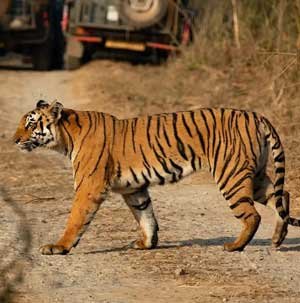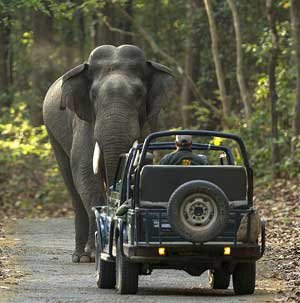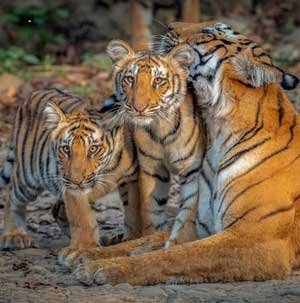
The Dhikala Canter Safari is one of the most sought-after wildlife experiences in Jim Corbett National Park, located in Uttarakhand, India. The safari offers a chance to explore the core zone of Corbett—Dhikala Zone, which is rich in biodiversity and known for its scenic landscapes, grasslands, and high chances of spotting tigers, elephants, and other wildlife.
Key Highlights
Access to Dhikala Zone (Core Area)
- Dhikala is otherwise inaccessible to day tourists except via Canter.
- It is a prime tiger sighting area, and also features elephants, leopards, deer, wild boars, gharials, and hundreds of bird species.
Grasslands & Riverine Ecosystem
- Dhikala is famous for its Chaurs (grasslands) and Ramganga River views, ideal for spotting herbivores and predators alike.
Experienced Guide & Driver
- The safari is conducted by trained naturalists and experienced forest drivers.
- Government-registered guides provide information on flora, fauna, and tracking animal movements.
Safe & Comfortable for Groups
- The Canter is an open-top mini-bus, elevated and ideal for photography.
- Safer and more stable for larger groups or those who don't wish to book a private jeep.
Safari Experience
Route : The safari typically begins early in the morning from the Dhikala Forest Rest House or one of the designated entry points. The open canter vehicle drives through a mix of thick sal forests, riverbeds, and open grasslands.
Wildlife Sightings : Dhikala is renowned for its tiger population, so tiger sightings are possible though not guaranteed. Other animals you might encounter include : Elephants, Leopards, Deer species (Sambar, Barking deer, Chital), Wild boars, Sloth bears, Indian bison (Gaur), Various bird species like the Great Hornbill, Pallas’s Fish Eagle, and many migratory birds
Scenery : The safari takes you through some breathtaking landscapes, including the Ramganga River, dense forests, and grasslands known as ‘dhikala plains’. It’s an excellent opportunity for photography, nature observation, and learning about forest ecology.
Safari Guidelines
- The safari vehicle is an open canter, allowing unobstructed views.
- The canter usually holds around 20 passengers, so booking in advance is recommended.
- The safari is conducted with strict adherence to park rules to minimize disturbance to wildlife.
- Carry binoculars, water, and comfortable clothing suitable for the weather.
- Cameras and smartphones are allowed, but flash photography is prohibited.
- Follow instructions from the forest guides strictly for safety.
Booking and Timing
- Safaris operate typically in the early morning and late afternoon.
- Tickets can be booked online through the official Jim Corbett National Park website or via authorized tour operators.
- The park is closed during the monsoon season (July to October), so safaris run only when the park is open.
Highlights
- Immersive jungle experience in India’s oldest national park.
- Possibility of sighting the majestic Bengal tiger.
- Rich flora and fauna in a well-protected environment.
- Expert guides sharing insights about wildlife and conservation.
Best Time to Visit
- November to June (Dhikala zone remains closed during monsoon: July to mid-November).
- March to May : Best chance for tiger sightings and clear weather.
- Winter (Nov-Feb) : Great for birdwatching and scenic views.
Advantages of Canter Safari in Dhikala
- No need to book forest rest houses to access Dhikala.
- Cheaper than booking a private jeep + accommodation inside the zone.
- Group Experience – great for families or solo travelers wanting to join others.
- Highly regulated and safe, with trained guides and drivers.
Wildlife You May Spot
Mammals : Royal Bengal Tiger, Asian Elephant, Leopard, Sloth Bear, Jackal, Wild Boar, Deer species (Spotted, Sambar, Barking), Otters.
Birds : Kingfishers, Eagles, Vultures, Hornbills, Drongos, Owls, and hundreds of migratory and resident species.
Reptiles : Crocodiles, Gharials, various snakes.
Booking & Regulations
- Safari permits must be booked in advance through the official Jim Corbett National Park website or authorized tour operators.
- Entry is regulated to avoid overcrowding and minimize disturbance to wildlife.
- Visitors are advised to maintain silence, avoid littering, and follow the guide's instructions strictly.