Jim Corbett National Park, located in the state of Uttarakhand, India, is home to a variety of rivers and streams, which contribute to the region's diverse ecosystem. These rivers play a significant role in the park's flora and fauna, providing both a source of water and shaping the landscape. Here are the main rivers and water bodies around Jim Corbett National Park:
Ramganga River
Overview : The Ramganga River is one of the most important rivers flowing through Jim Corbett National Park. It originates from the Garhwal Hills and flows through the park, dividing the northern and southern regions of the park.
Significance : The river is crucial for the park's wildlife, especially for the animals in the southern zone of the park. It is home to a variety of fish and attracts many species of birds.
Activities : The Ramganga is also popular for boating and river safari in some areas of the park, offering tourists a unique experience.
Kosi River
Overview: The Kosi River flows on the periphery of the Corbett Tiger Reserve and is an important tributary of the Ramganga.
Significance : The river flows alongside the park and serves as a natural boundary for the northern and southern zones. It is a vital source of water for the wildlife, especially during the dry season.
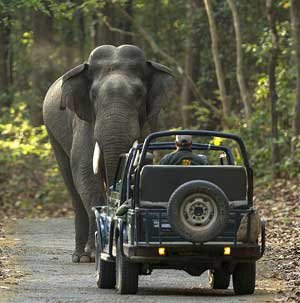
Wildlife Impact : The river's banks are frequented by elephants, tigers, and other species, as it provides a lush green area in an otherwise dry landscape.
Sona Nadi
Overview : This river flows through the dense forest area in the park's southern zone. It is one of the many small streams that contribute to the water network in the region.
Significance : The Sona Nadi helps in maintaining the ecological balance by sustaining the local wildlife, especially in the deeper parts of the park where other water sources may be scarce.
Mandal River
Overview : The Mandal River is another minor river that flows through the area surrounding Jim Corbett National Park.
Significance : It is known for supporting a wide variety of flora and fauna in its catchment area. The river plays a crucial role in maintaining the health of the ecosystems found in this part of the park.
Ganges Tributaries (Dhela & other small streams)
Overview : Some smaller streams, including the Dhela River, contribute to the water flow in the park. These streams eventually merge into the Ganges River system.
Significance : These small streams provide important water sources for the park's flora and fauna, especially during the monsoon season when water levels rise.
Wildlife and Ecological Impact
Flora : The rivers and streams of Corbett help nourish the park's rich variety of plant life. The riverine habitats support a range of species, from grasses and reeds to dense riverine forests.
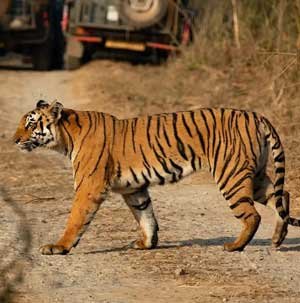
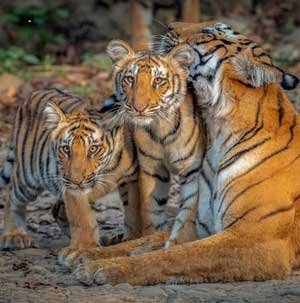
Fauna : The water bodies provide a haven for numerous animal species, including tigers, elephants, crocodiles, various species of deer, and a variety of birds such as the kingfisher and other waterfowl. The rivers also attract various predators that use the water as a resource for hunting.
Best Time to Visit
- The monsoon season (June to September) makes these rivers swell, but it is not ideal for safaris due to potential flooding and restricted access.
- The best time to visit is from November to June when the rivers are calmer, and wildlife viewing is more accessible.